Mount Fuji climbing season
The Mount Fuji climbing season concerns the mountain on the Yamanashi and Shizuoka sides in Japan, and is expected to run from July to September 2027, though the dates are not confirmed yet.
Dates TBC
Free to attend
Tickets
Researched and written with AI
Checked against the official source on
Check the official site before booking: fujisan-climb.jp
Key facts
- Event
- Mount Fuji climbing season
fujisan-climb.jp, checked
- Where
- Mount Fuji, Japan
fujisan-climb.jp, checked
- When
- Jul–Sept 2027 · no guaranteeDates TBC
fujisan-climb.jp, checked
- How to get in
- Free to attend and Tickets
fujisan-climb.jp, checked
- Price
- Price TBC
fujisan-climb.jp, checked
- Nearest airports
- Mount Fuji Shizuoka Airport (FSZ), 80 km away in a straight line
OurAirports, checked
- Official source
- Mt. Fuji Climbing Official Website (Yamanashi and Shizuoka Prefectures), official site fujisan-climb.jp
fujisan-climb.jp, checked
- Last verified
- Checked
When to book
Event starts
About Mount Fuji climbing season
Mount Fuji is recognised as a World Cultural Heritage site, and its value is meant to be passed on to future generations.
The season is expected to run from 1 July to 30 September 2027. These dates follow the usual pattern and are not confirmed yet, so check the official climbing website run by the Yamanashi and Shizuoka prefectures before planning.
Entry arrangements are also expected rather than final. A hiking fee is usually required on all trails, together with mountain entry registration. Both are expected to be handled through a web system. For the Shizuoka trails, pre-registration is expected through the prefecture's official app, with registration also possible on site.
What to expect
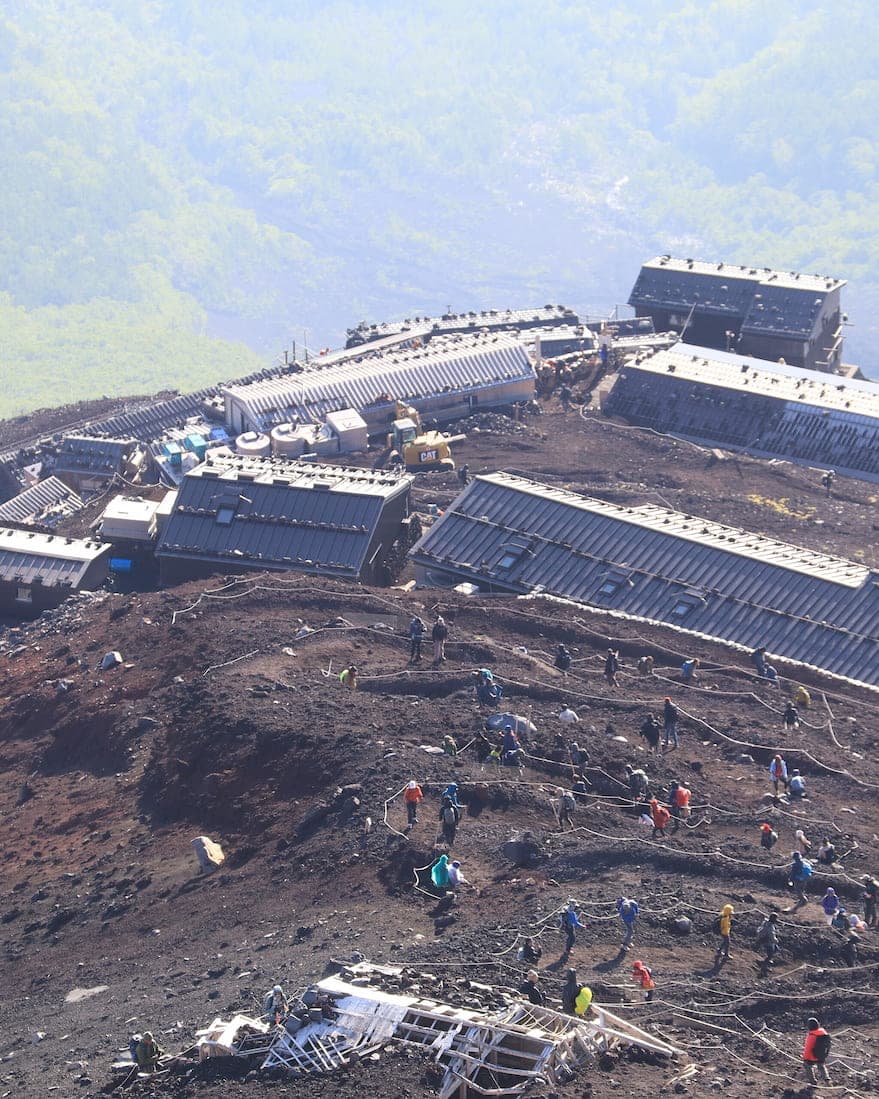
The Subashiri Trail approaches the summit from the east, on the Shizuoka side of the mountain, and involves a climb of about 1,700 m in elevation.
Near the summit, above 3,000 m, every route has steep, rocky slopes and weather that is hard to predict.
Practical tips
Climbing outside the official season is described as extremely dangerous. Huts and first-aid centres are closed, phone signal is lost and the weather is severe. When mountain toilets cannot be used outside the summer season, climbers must carry a portable toilet and take their waste home.
Climbers are advised to plan a relaxed itinerary, gather the necessary equipment, check the weather at the trailhead and train regularly beforehand. Climbing through the night without an overnight stop, purely to see the sunrise, can lead to altitude sickness and hypothermia.
The Yoshida Trail is regarded as easier because of its many huts, while the Fujinomiya Trail has the shortest walking distance to the summit. Fragile landforms such as lava tree molds can never be restored once damaged, and when filming, respect other hikers' privacy and passage.
Nature, Monarch Butterfly Biosphere Reserve, Mexico
Monarch butterfly season at the Monarch Butterfly Biosphere Reserve
Dates TBC
May have changed; checked
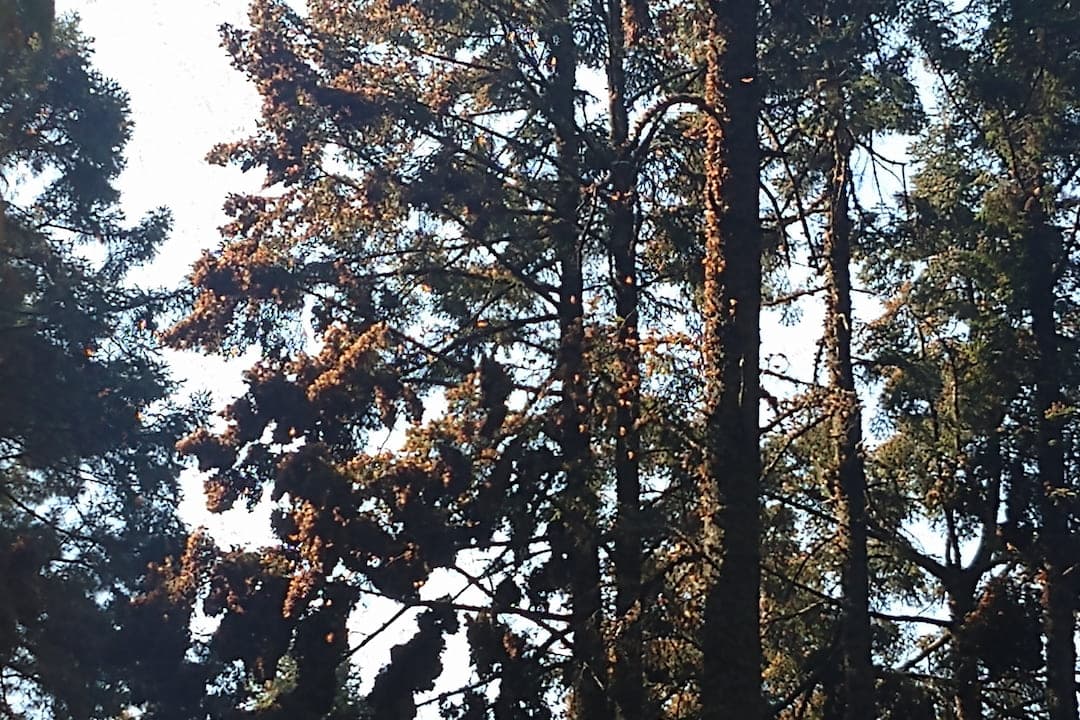
Photo credits
Cropped from the original
Cropped from the original
Cropped from the original
Cropped from the original
Cropped from the original
Cropped from the original


