
Mazatlán Carnival
Mazatlán Carnival (Carnaval de Mazatlán) is a festival in Mazatlán, Sinaloa, Mexico, confirmed for 4 to 9 February 2027.
Checked
Source: carnavalmazatlan.com
Researched and written with AI
Checked against the official source on
Check the official site before booking: carnavalmazatlan.com
Key facts
- Event
- Mazatlán Carnival
carnavalmazatlan.com, checked
- Where
- Mazatlán, Mexico
carnavalmazatlan.com, checked
- When
- – Feb 2027
carnavalmazatlan.com, checked
- Price
- Price TBC
carnavalmazatlan.com, checked
- Nearest airports
- General Rafael Buelna International Airport (MZT), 16 km away in a straight line
OurAirports, checked
- Official source
- Instituto Municipal de Cultura, Turismo y Arte de Mazatlán (Carnaval Internacional de Mazatlán), official site carnavalmazatlan.com
carnavalmazatlan.com, checked
- Last verified
- Checked
When to book
- Now
Event starts
About Mazatlán Carnival
Mazatlán Carnival is organised by the Instituto de Cultura de Mazatlán, the city's culture institute. The organisers say it stands apart from other carnivals in Mexico and elsewhere because its fun is set to banda, the regional tambora music of Sinaloa.
The programme also includes cultural activities such as poetry contests, a literature prize and high-quality shows. The organisers write that local people regard the carnival parade as one of the central moments of the festival.
The 2027 edition is confirmed for 4 to 9 February in Mazatlán, in the state of Sinaloa. The facts available do not set out how to get in, so check the organisers' official channels before planning.
What happens
Well before the carnival itself, campaigns by the candidates for the carnival, Floral Games, children's and 'Rey Feo' (king of joy) crowns help build the festive mood in the port.
The carnival royalty are crowned in the city's baseball stadium, where a large stage is put up in the middle of the diamond. On the Monday before Carnival Tuesday there is a children's dance with a costume contest, and a child queen is crowned.
The programme also includes the Burning of Bad Mood, a rite with more than a century of history. An effigy of a figure chosen to embody bad mood is sent to the bonfire as a collective catharsis that opens the way to the carnival's joy.
History and meaning
The oldest carnival celebration the organisers have record of in Mazatlán is an 1827 masquerade in which the soldiers guarding the port took part. In 1898 the carnival went from a spontaneous celebration by residents to a festival run by a civic committee, with the first procession of decorated carts and bicycles. The organisers say this move to committee rule makes it the oldest carnival in Mexico among those organised in this way.
Confetti and streamers took the place of the flour games, which had survived repeated attempts by the municipal authorities to ban them. A carnival queen first appeared in 1900, Wilfrida Farmer, cast as consort to a carnival king. A poetry contest at a 1925 regional exhibition revived the Floral Games, and in 1928 a contest of this kind became part of the carnival for the first time.
The children's monarchy was officially added to the carnival calendar in 1968. The organisers call Rigo Lewis a key figure in raising the carnival above a regional festival, helping it win the status of 'Carnaval Internacional de Mazatlán'.
What to expect
The organisers describe carnival nights of revelry from dusk to dawn, with the streets turned into crowds walking and dancing to banda, mariachi, ranchera and norteña groups, ballads, bolero and rock.
The main stage of the festivities is the seafront at Paseo de Olas Altas and Claussen.


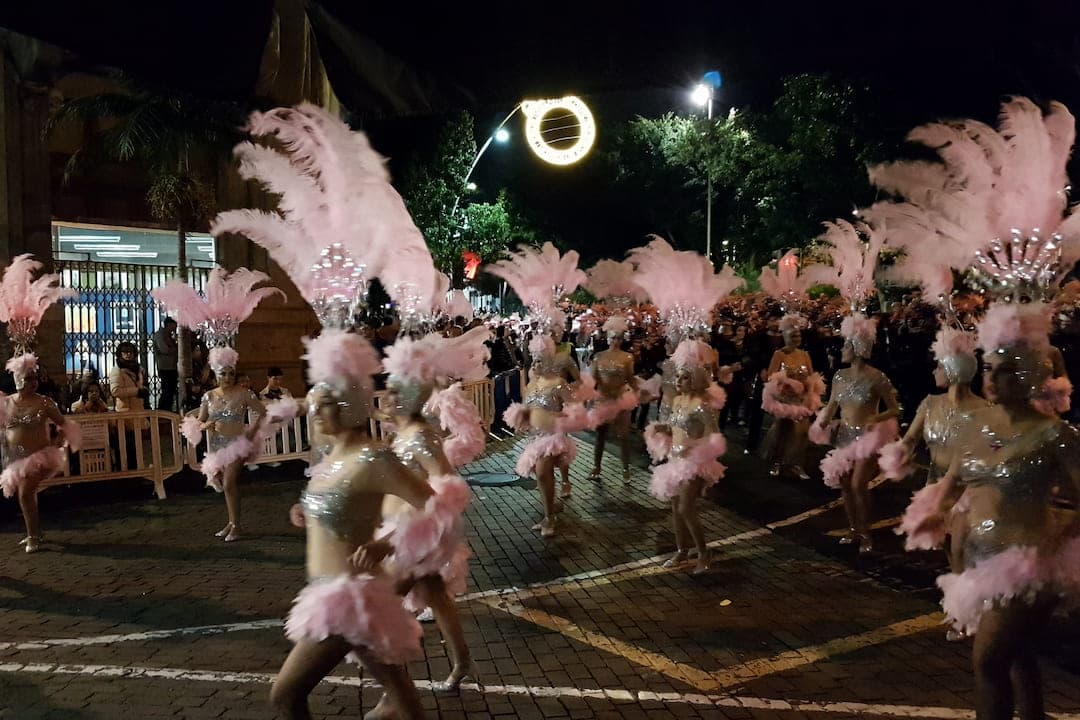
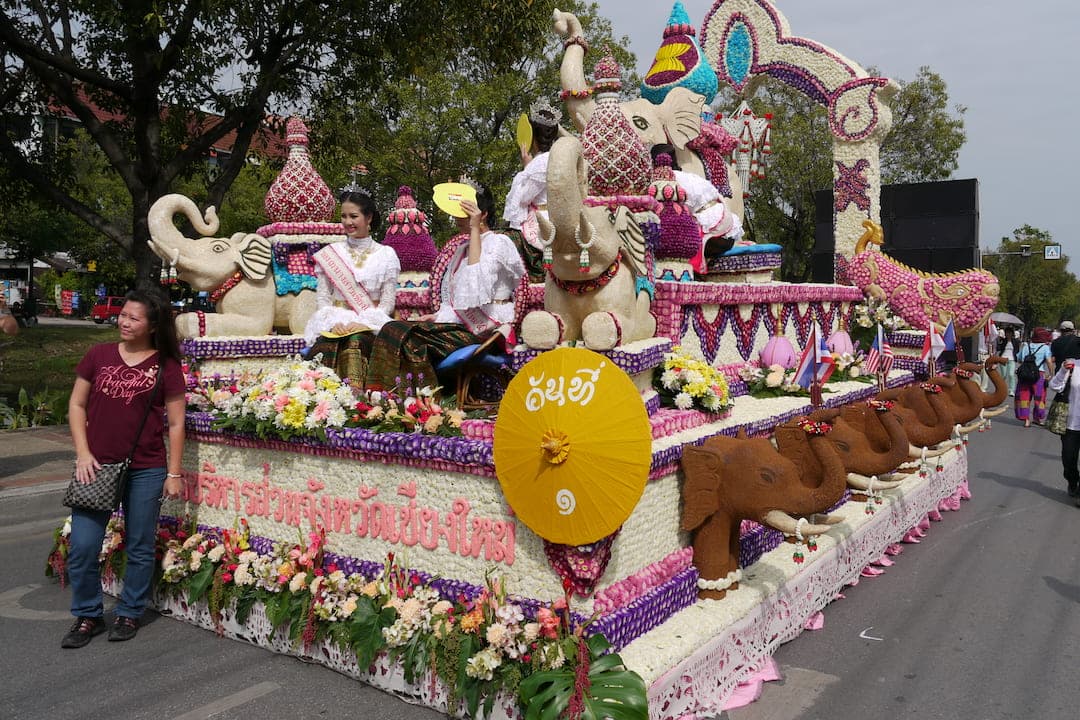
Photo credits
Cropped from the original
Cropped from the original
Cropped from the original
Cropped from the original
Cropped from the original
Cropped from the original
Cropped from the original
Cropped from the original
Cropped from the original
Cropped from the original
Cropped from the original
Cropped from the original


