
Bonfires of Saint John in Alicante (Hogueras)
The Bonfires of Saint John in Alicante (Hogueras) is the city's street festival of fire and fireworks in the Valencian Community, expected from 20 to 24 June 2027, though the dates are not confirmed yet.
Free to attend
Researched and written with AI
Checked against the official source on
Check the official site before booking: hogueras.es
Key facts
- Event
- Bonfires of Saint John in Alicante (Hogueras)
hogueras.es, checked
- Where
- Alicante, Spain
hogueras.es, checked
- When
- – Jun 2027
hogueras.es, checked
- How to get in
- Free to attend
hogueras.es, checked
- Price
- Free
hogueras.es, checked
- Nearest airports
- Alicante-Elche Miguel Hernández Airport (ALC), 10 km away in a straight line
OurAirports, checked
- Official source
- Federació de les Fogueres de Sant Joan, official site hogueras.es
hogueras.es, checked
- Last verified
- Checked
When to book
Event starts
About Bonfires of Saint John in Alicante (Hogueras)
Alicante's Hogueras, known locally as Fogueres de Sant Joan d'Alacant, form the city's official and most important festivity. The event draws on local customs, reviving the clothing, celebrations and artistic expression of past generations.
Commissions, each usually standing for one area of the city, raise money and stage events throughout the year, and each member is called a foguerer. The monuments, known as fogueres, sit at the heart of the festival. They are built from wood, cardboard, mud and paint, with cork and polyurethane added in modern times. The organisers rank gunpowder, whether firecrackers, tracas, mascletàs or fireworks, among its key elements.
The next edition is expected from 20 to 24 June 2027 in Alicante, in the Valencian Community. These dates follow a fixed yearly pattern and are not confirmed yet. Access is expected to be open: parades, mascletàs and the burning of the monuments happen out in the city's streets and squares, and no entry charge is anticipated.
What happens
The palmera is a fireworks show fired from Santa Bárbara castle: over 1,000 rockets go up together and open into a palm shape whose glow washes across the city. Mascletàs, bursts of pyrotechnics timed to a deliberate rhythm, are the most popular use of gunpowder, with the biggest ones set off in the Plaza de los Luceros.
The flower offering to the patron, the Virgen del Remedio, finishes at the co-cathedral of San Nicolás, with about 10,000 bouquet carriers. Parades include the Entrada de Bandas, the main music day, when each commission marches through the centre with a band or colla and competes for a prize. In the ninot parade, commission members wear costumes inspired by their monument's main ninot. The international parade is the last official one, where visitors from other towns and countries present their dress, music and traditions.
The cremà, the burning of the monuments, closes the main days. Firefighters dousing each blaze also play with the crowd, soaking whoever wants it amid chants and applause.
History and meaning
Before 1928, Alicante marked the night of Saint John by burning old furniture. The current festival dates from 1928, when its founder, Jose María Py, suggested joining bonfires to the older Valencian fallas tradition. The first monuments were made by local painters and sculptors rather than fallas artists, and they followed avant-garde currents such as Art Deco instead of imitating the Valencian style.
The festival's museum describes the promising early years as ending abruptly when the Spanish Civil War broke out in 1936. The flower offering has taken place since 1941, and the festival's own site counts it among the oldest of its kind in Spain.
What to expect
Streets and squares turn into gathering spots. One example is the racó, a fenced area with tables and chairs where crowds eat, hear music and dance. Bands, along with dolçaina and tabal groups, add traditional tunes to the commissions' parades and street processions.
Giant and big-headed figures dance through the streets ahead of each mascletà and in some parades. At dawn, the despertà sets off strings of firecrackers in every neighbourhood, rousing anyone still asleep to mark the start of a new day.
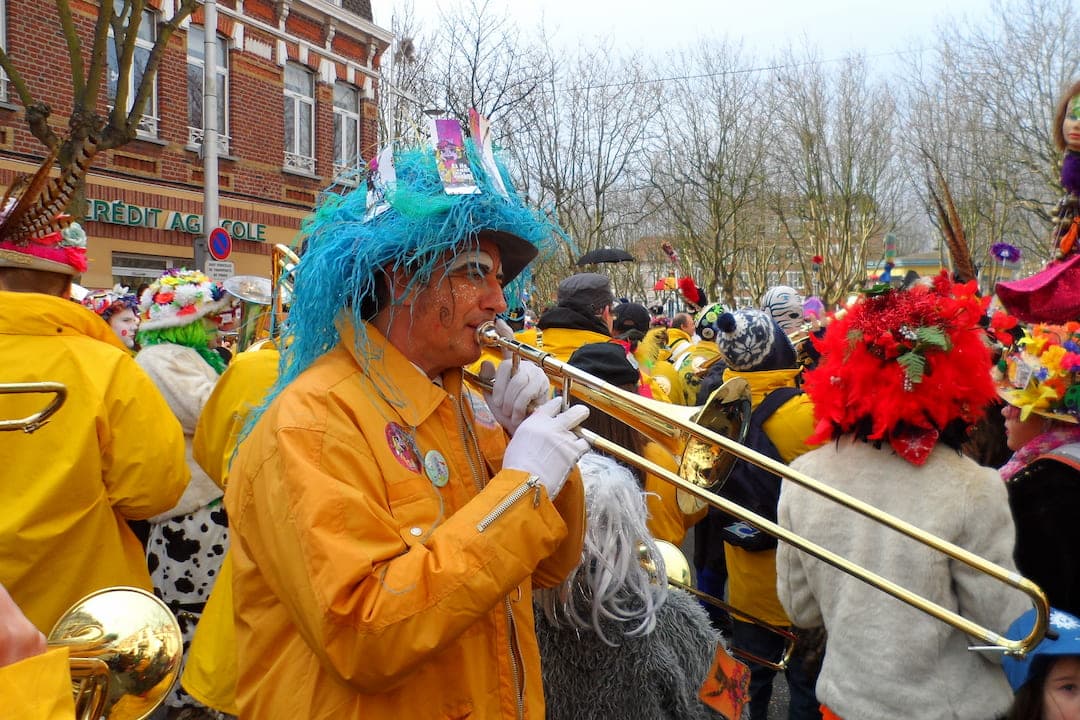
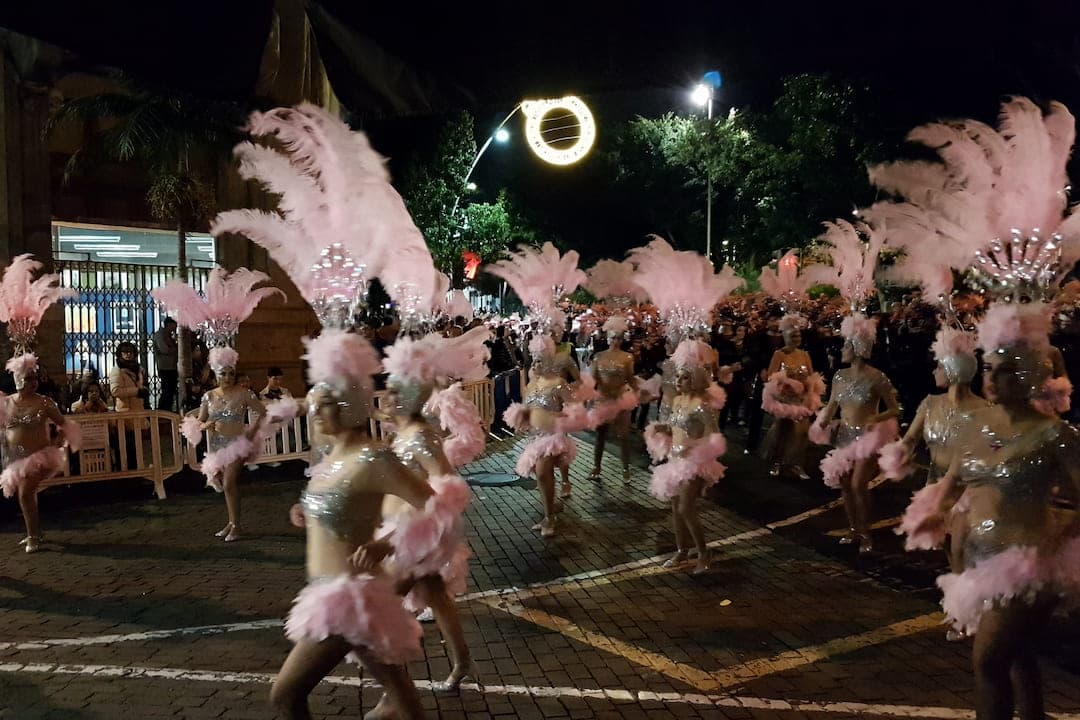
Photo credits
Cropped from the original
Cropped from the original
Cropped from the original
Cropped from the original
Cropped from the original
Cropped from the original
Cropped from the original
Cropped from the original
Cropped from the original
Cropped from the original
Cropped from the original
Cropped from the original


Background sources: Wikipedia